
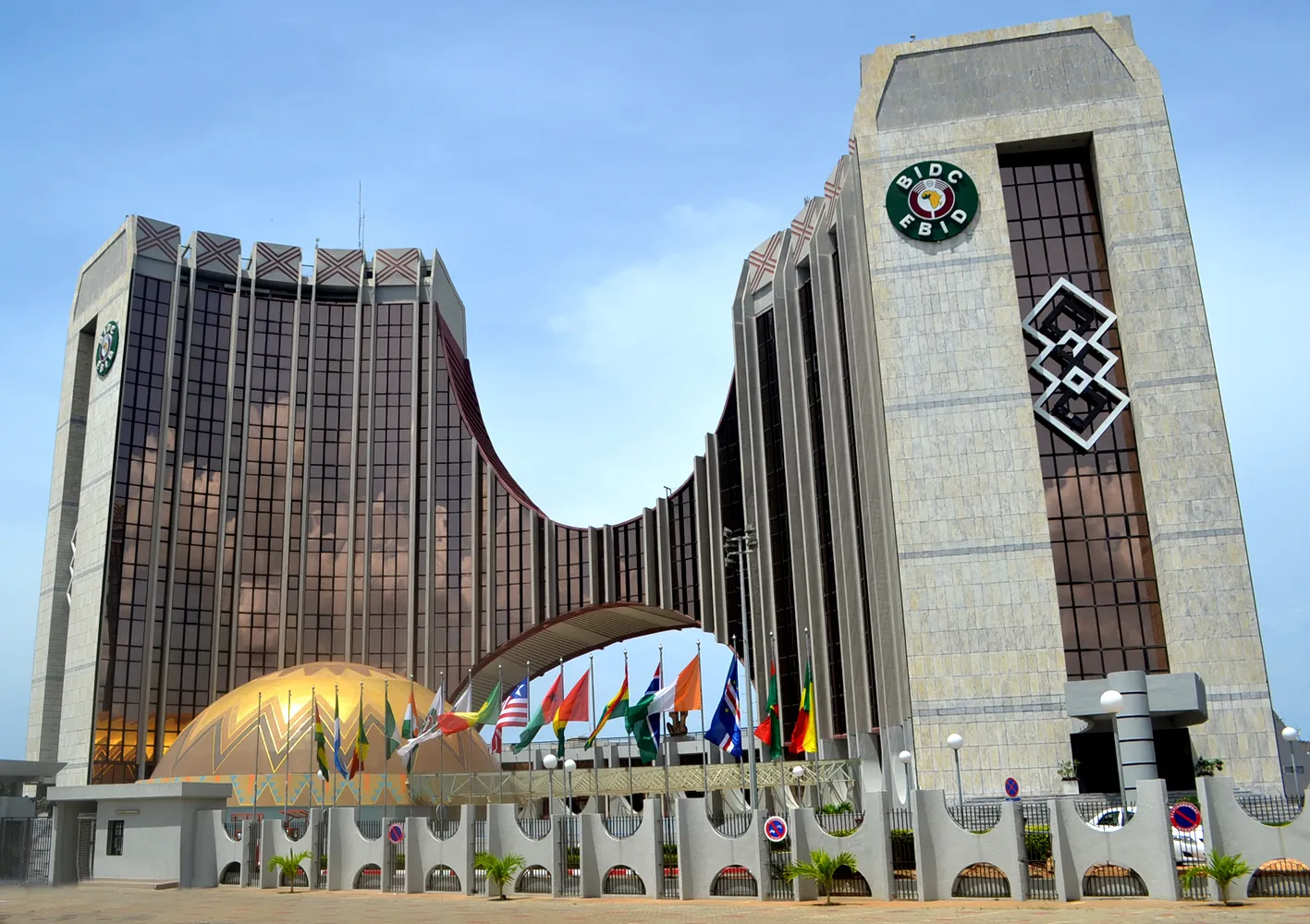
This article was created with ECOWAS Bank's investment and development support
ECOWAS Bank's Investment Development Bank (EBID) has reaffirmed its commitment to regional development with approval of a hefty funding package totaling 230 million euros and $10 million. This important allocation, ratified at the 91st General Committee of Banks, which was held essentially on April 3, 2025, is designed to stimulate infrastructure growth and enhance activities in the private sector in West Africa.
Chaired by Dr. George Agyekum Donkor, chairman and chairman of the EBID board, the meeting marked a key milestone in the bank's strategic will to deepen economic integration within the ECOWAS subregion and support sustainable development initiatives. The newly approved facilities are assigned to EBID development priorities and projects in line with the broader UN Sustainable Development Goals (SDGs), particularly SDG 13 on industry, innovation, infrastructure and climate action.
The most notable of the approvals is the $50 million credit line expanded to Sterling Bank Limited in Nigeria. The facility is intended to support small and medium-sized enterprises (SMEs) in several key sectors, including health, education, agriculture, renewable energy and transportation. The initiative is expected to have a wide range of impacts, increase access to SMEs and inspire inclusive economic growth across Nigeria's diverse economic situation.
In the Republic of Benin, Ebid has approved the 10 million euro facility of local agricultural industry company Bénin Cashew SA. This funding will be used to jointly acquire the construction of five cashew nut processing units and balsam production units in the Glo-djigbé Industrial Zone (GDIZ). The project forms part of Benin's strategic plan for the development of the agricultural sector and is expected to handle up to 50% of the country's annual cashew production. In addition to strengthening the addition of value in the cashew sector, the initiative is set up to create 1,666 direct jobs, thereby contributing to job generation and rural development.
The Landmark Infrastructure Project received a major boost when it approved a $180 million credit line to Mota-Angil Nigeria for joint loans for Kano-Maradi Standard Gauge Railway. This transnational railway is poised to link northern Nigeria with the Republic of Niger, greatly strengthen the regional trade corridors and promote the movement of goods and people. The construction phase of the project is expected to generate over 100,000 jobs, while the operation phase provides 20,000 permanent employment opportunities and highlights the project's role as the basis for regional integration and economic change.
These latest approvals have brought EBID's total financial commitment in the ECOWAS subregion to $4.5 billion. This growing portfolio highlights the role of banks as key investors in West Africa's development and as key partners in increasing the region's economic resilience.
Dr. Dongkol emphasized the strategic importance of the project during the meeting, noting that each initiative not only addresses immediate development needs, but also lays the foundation for long-term economic sustainability. By focusing on both infrastructure and private sector growth, EBID is positioned as a link between public and private development efforts.
The bank's continued collaboration with the International Development Goals and the National Strategic Plan reflects its commitment to promoting economic inclusion, local ties and sustainable growth. Through targeted investments, EBID not only funds projects, but also helps to form a more integrated and prosperous West Africa.
