
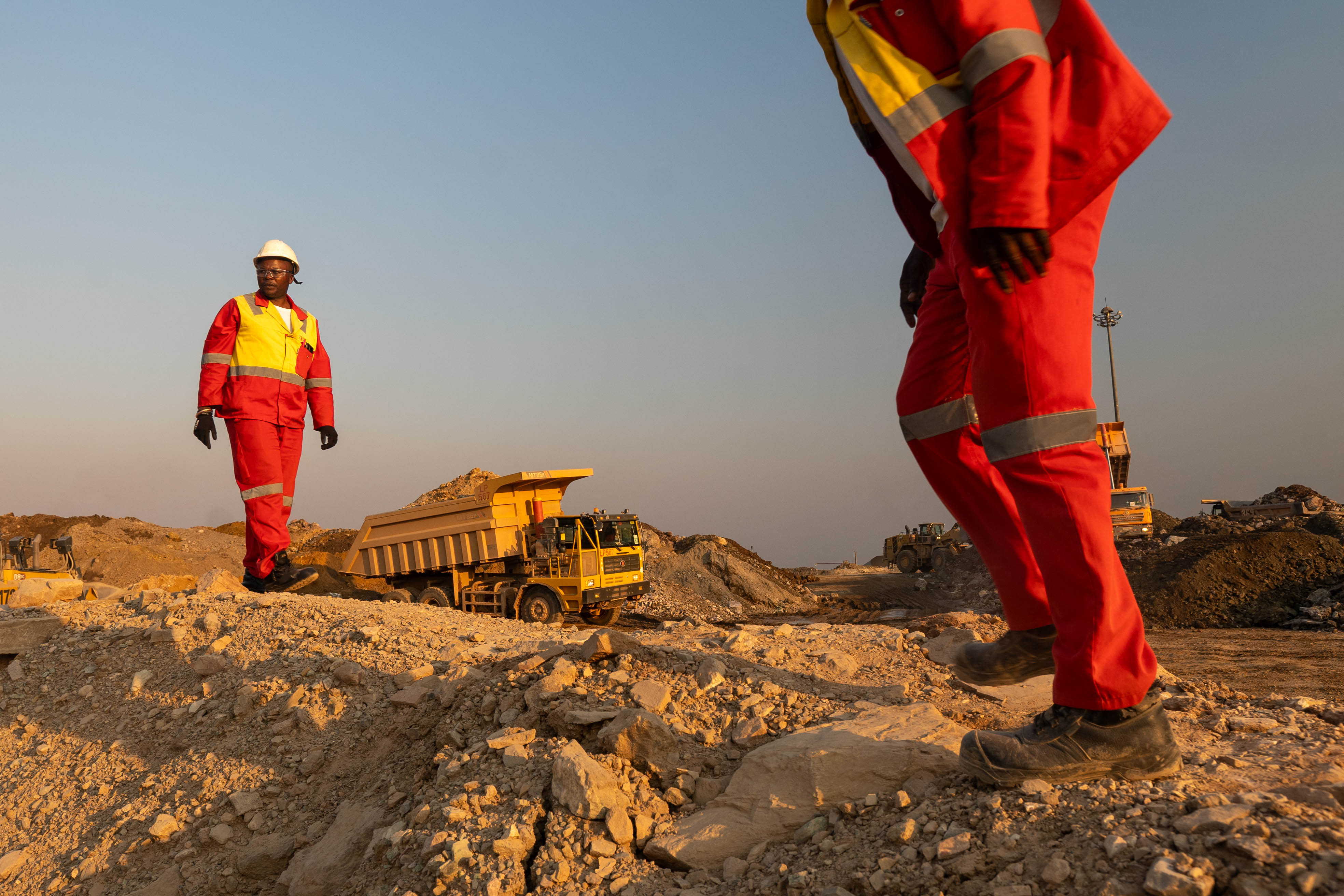
Earlier this year in Zambia, toxic runoff from copper mines poisoned the Kahue River, blocked water supply and destroyed local communities. This harsh case reveals the bare truth. Africa's vast mineral wealth is often a source of harm rather than hope.
Sitting in huge reserves of lithium, cobalt, copper and graphite, South Africa is all integral to the global green energy transition, and is still fighting energy poverty and inequality with more than 100 million people in non-electric regions. The world is rushing to secure the important minerals of Africa, but the general extraction model is stuck in old patterns, exporting raw materials and leaving a country trapped in a cycle of poverty and environmental degradation.
With the 45th SADC Summit approaching, South Africa is at a crossroads. At this moment we need more than an ambitious target or framework. It calls for practical regional cooperation that can truly transform mineral wealth into shared prosperity.
Energy and trade policies do not serve Africa
Africa owns around 30% of the world's largest mineral reserves, including 70% of cobalt. According to a recent public report (2024) on how Africa can make the most of transitional minerals, coordinated regional action could increase Africa's GDP by $24 billion a year, creating at least 2.3 million jobs. However, fragmented policies and disruptive competition between countries undermine these opportunities.
As the world experienced a surge in economic, political and environmental crises, their interconnectedness became undeniable. The same systems that deepen economic inequality and energy poverty are also driving a widespread environmental crisis. African countries are moving away from fossil fuels but moving away from disproportionate agreements, but historically built-in inequality and restrictive market practices limit the continent to the role of global raw material suppliers. This model leaves little room for green industry development, economic diversification, and social benefits, but instead maximizes the benefits of rich countries.
Like other parts of Africa, the SADC region has long been hampered by Africa from achieving its full potential with a global economic model rooted in the heavy extraction patterns Africa supplies to the world without doing reliable electricity and decent work. This current model fails the African economy. Worse, it doesn't give them the opportunity to be fairly involved in trade and business practices that create value for their communities, let alone thrive as a nation. This is a critical time to redistribute the dynamics of power, and we must find courage to recognize that effective leadership from South African heads of state is necessary to co-create new foundations for fair and robust development across the continent.
Why cooperation is important
This is an important and crucial moment when Africa has the opportunity to shift gears based on its true needs, aspirations and possibilities and shape its own future.
Today, countries often compete with each other to attract investors, weaken their bargaining power and lock them in exporting raw materials without capturing real value. Without a unified approach, Africa risks once again being sidelined in the global green economy, not just a legitimate leader, but just a supplier.
Actual regional cooperation can break this cycle by harmonizing policies, pooling infrastructure, and adjusting value chains. Imagine South Africa where neighbors and mineral-rich countries are partners with their partners, with processing capabilities linked by shared energy grids and transport corridors. Together, they were able to negotiate trade transactions from their positions of strength, establish joint environments and labor standards, and most importantly, ensure that profits reach the local community.
SADC's goal of increasing its renewable energy share to 35% by 2030 is a positive step, but that's not enough. Regional cooperation can create interconnected mineral value chains fixed by frameworks such as the African Continental Free Trade Area (AFCFTA). This means sharing geological data, regional investment portals and cross-border power lines. This is all working together to build an industry that serves Africa's development needs.
This unity positions southern Africa not only as a mineral supplier, but as a hub for green industrialization, job creation and energy access. It reverses energy poverty and protects communities from the harms of extractivism.
Calling for SADC Leaders
Now, countries and experts around the world are turning to Africa to find solutions to the pressing problems related to climate and energy generation. Robust and sustainable change in the world can only be implemented by creating a favorable situation for all stakeholders for both parties, taking into account the economic communities of Africa as equal partners and active contributors.
Therefore, this challenge is now falling straight on the shoulders of leaders in southern Africa. This transformation cannot be achieved on its own. Coordinated strategies on trade, investment and infrastructure are important to building a resilient value chain and protecting long-term profits.
Minerals must also promote change in Africa. This requires a shift from extraction to publicly-driven investments in cleaner energy and sustainable industries. Leaders must speak and act decisively in one voice to negotiate fair global trade transactions and prioritize the well-being of people.
Equally important is to ensure that the transition reaches the community on the ground. Green transition means better deals, as well as better life, including electricity access, decent work, climate resilience, and social well-being. Locals should have a say in steward resources for future generations.
The wealth of African minerals retains the promise of a new industrial revolution, but only when exploited through a unity and shared purpose. The vision is clear and all the policies needed to transform this wealth into regional industrialization, fiscal integration and social equity are mapped.
What is needed now is rapid group action. It's time for SADC countries to change the tide. Working together, we can rewrite African stories, from passive resource suppliers to active architects of the future that flourished and prospered in people and the world's environment.
