
This article was created with the support of Shelter Afrique Development Bank
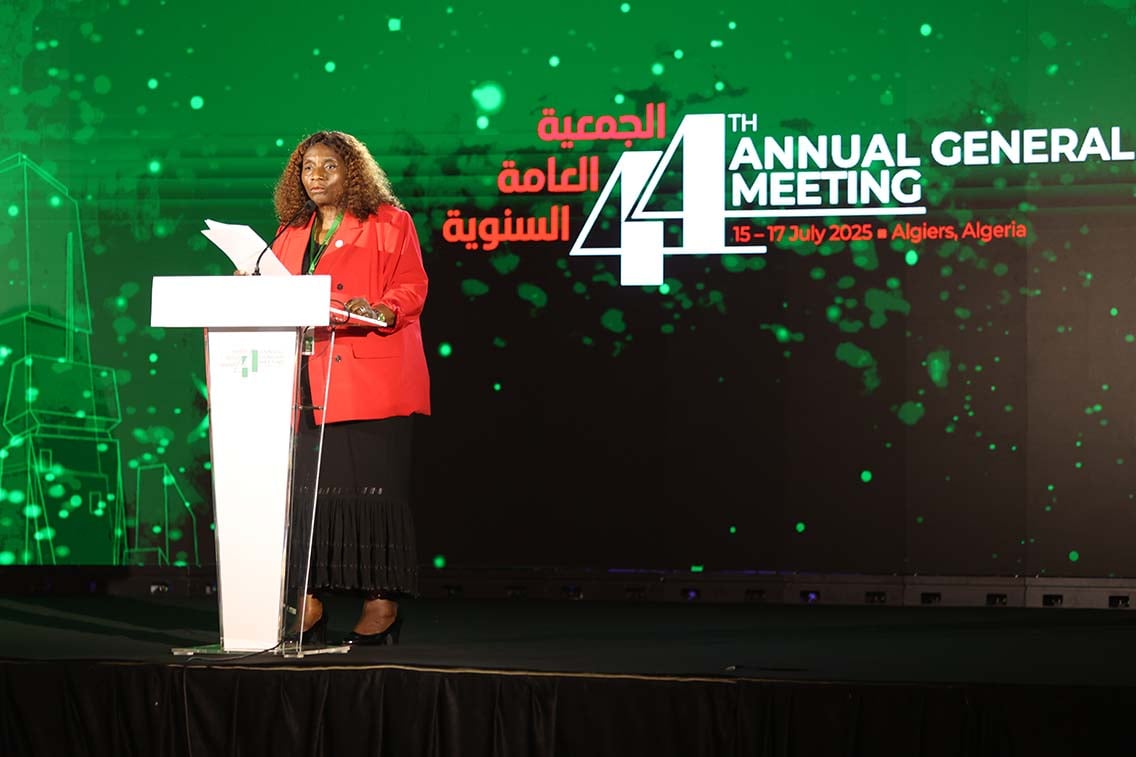
Shareholders of shelter Afrique Development Bank approved the financial results presented at the 44th Bank Meeting of Algiers by Dr. Patience Chii Akporji, chairman of the board of directors.
The results show significant resilience in the face of regional financial turmoil. This is because Pan Africa Bank, a specialist in housing finance, is turning economic challenges into opportunities.
Nigeria's Naira's dramatic 70.7% depreciation could weaken the facility, but Shelter Afrik rose over the headwinds and posted an overall result of $1.7 million on December 31, 2024.
This counterintuitive performance can be explained by several factors. Naira's devaluation paradoxically benefited the bank by reducing the interest costs on bonds derived from that currency.
At the same time, an improvement in net interest margin, which improved from 20% to 7%, was a major factor in this growth. The valuation profits on five equity investments also increased the overall profitability of the institution.
However, the Nigeria currency crisis has not survived all indicators. Interest income is stable in local currency, but was signed when it was converted to dollars. The impact on banks' regulatory capital positions remains significant and requires increased vigilance in managing foreign exchange risk.
Operating expenses rose, reflecting institutional strategic investments. This increase was driven primarily by recruitment for key positions, legal costs, and building maintenance costs for this increase. However, impairment charges remained stable, while favorable fair value adjustments reduced other impairment losses.
Financial structure that can withstand shocks
Balance sheet analysis reveals financially robust institutions despite the disadvantageous environment. Naira's depreciation has resulted in a decline in total assets expressed in dollars, but the banks maintain an exemplary liquidity position. With a liquidity ratio of 22%, Shelter Afrik is comfortable above the minimum 15% of regulations, providing a comfortable safety margin.
Net unpaid loans for this period have been slightly reduced due to the effects of clauses and exchange rate fluctuations. The debt fell thanks to coupon payments on naira-denominated bonds and depreciation in dollars, while the stock increased, supported by positive results and new capital subscriptions.
A clear demonstration of improved operational efficiency has dramatically improved the cost/revenue rate, dropping from 70% in 2023 to 50% in 2024.
The debt-to-fair ratio also decreased, benefiting from bond repayments and devaluation. The solvency ratio of 53.9% is more than twice the 25% target, demonstrating the bank's ability to fund new large-scale projects.
The meeting also approved the continuation of the transformation that was launched under the 2023-2027 Strategic Plan. This roadmap focuses on strengthening the policy framework, particularly in the credit sector. The board approved the recapitalization in line with Resolution 15 adopted by Kigali shareholders in 2019, and effective implementation began in 2025.
Shelter Afrique has taken advantage of its second year in a row to improve its credit ratings and has begun access to more favorable funding. The recently created advisory arm has already generated profits, and banks are preparing to mobilize concession funds and launch financial management group products to support the growth of their activities.
These positive results are as pan-African facilities continue to transform into development banks and strengthen their obligation to fund affordable housing across the continent. Therefore, the Algiers Conference confirms that Shelter Afrik successfully transforms financial challenges into levers for performance, demonstrating its resilience in the face of regional economic shocks.
