sMagallies Water has since extended its footprint to the new operating area, with the addition of far and southwest areas to ensure that new areas are well-established and residents enjoy the benefits of clean drinking water to standards that the entities were previously operating, and then extending their footprint to new operating areas.
Declaration of abolition, and ultimately, the integration of the previous Sediben Water magician's manipulation into the water, expanded the magician's water to the ngaka modiri molema district municipality, and part of the Ruth Segomoti Monpati Municipality and the Kennett Kanda Municipality in the northwest.
The new organization did not spend time sitting on glory or scanning the environment for long periods, but jumped into direct action on several projects that took over before it was completed.
project
The abolition of Sedibeng water meant that Magalies Water would need to take over the responsibility of ensuring that certain projects in various regions and local governments of Ngaka Modiri Molema DM have been completed. Some projects were already in advanced stages, some already experienced delays due to a variety of factors, but some were recently started.
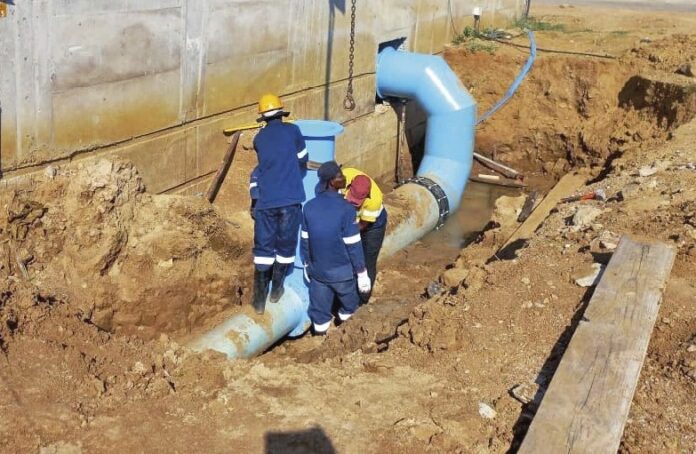
Dinokana Rural Water Supply WSIG Project
The project was carried out in 2023 under the “Brera METSI Operation” located in the village of Dinokana, the local government of Ramotshere Moiloa, which falls under the Ngaka Modiri Molema local government. The Dinokana project was introduced and revived as part of intergovernment intervention led by then Minister of Water and Sanitation Senzo Mchunu and the Northwest State government. WSIG refers to Water Services Infrastructure Grant, a nationwide grant managed by the Ministry of Water and Sanitation (DWS).
The scope of this project includes renovations and upgrades to the Dinokana Rural Supply Infrastructure. This includes renovations to Highlift-Pump and upgrades from 2ml/day to 4ml/day. Borehole renovation. Spring water pump station and pipeline upgrades. Renovation of the power distribution system to the bulk water reservoir. Build an additional 2ml reservoir to provide additional gravity pressure.
The Dinokana Water Supply Intervention Project is implemented in four phases.
- Phase 1: Bulk pipeline distribution structure including renovations to reservoirs and existing transmission lines.
- Phase 2: Borehole renovations and additional excavation and borehole equipment.
- Phase 3: Reticulation and stamp pipe at radial bone distance of 200m within the village boundaries.
- Phase 4: Upgrade pump stations and pump lines so that both reservoirs can be fed at the pump station. The aim is to provide standpipes to an additional 35,000 residents.
After implementing and covering all necessary stages of implementation, the project is now approaching the closeout stage when formal handover is being implemented.
Upgrading Mmabatho Water Treatment Works
The phrase “From conflict always comes growth” is suitable for the conceptualization and planning of increasing bulk water supply to Mahiken and its urban villages. The city and village are located within the Mahikeng local government, a municipality of the Ngaka Modiri Molema district.
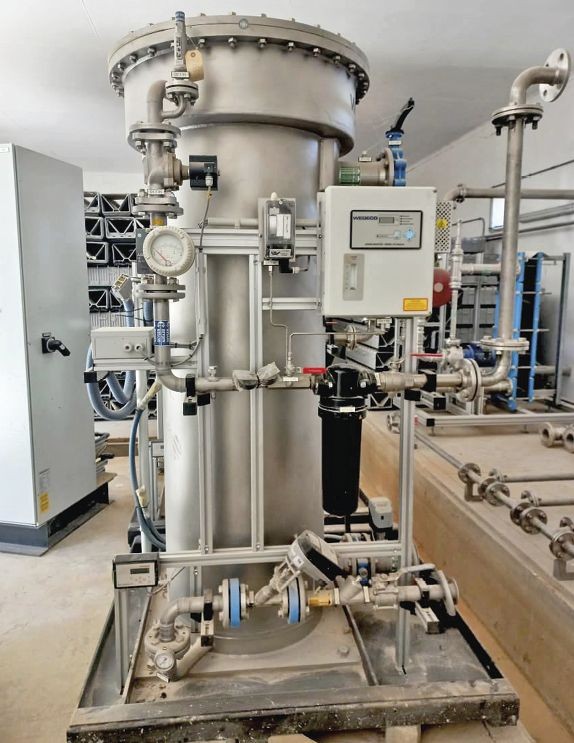
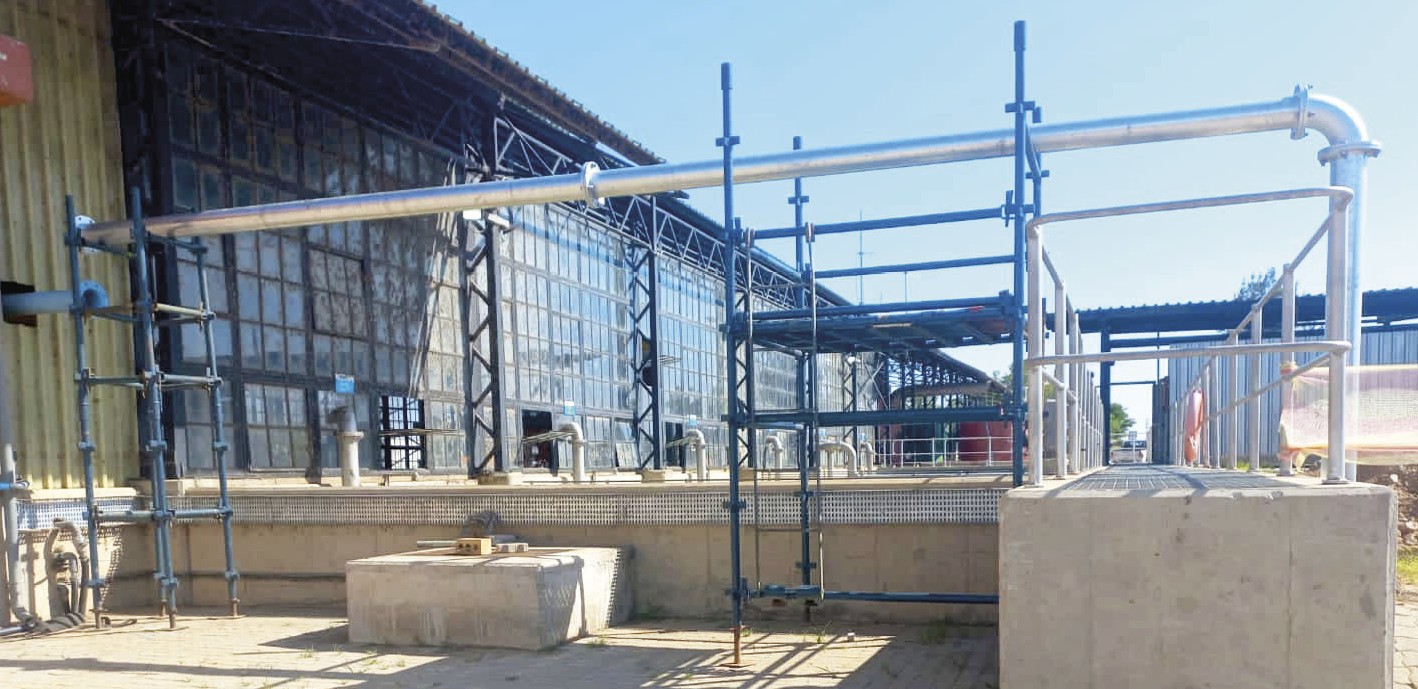
The purpose of the Mmabatho Water Treatment (WTW) project is to increase the capacity of water treatment operations and improve the distribution of bulk water to the region. As the capital of the Northwest province, Mahiken, like many South African urban areas, experienced an ever-growing population due to the migration of people from other regions, driven by the need to seek better lives and more opportunities. Mahiken is a mixed settlement consisting of both urban and urban surrounding villages and is consistently characterized by a critical backlog of water supply and sanitation. This was evident from the results of the 2011 census, which was completed just before the project was conceptualized.
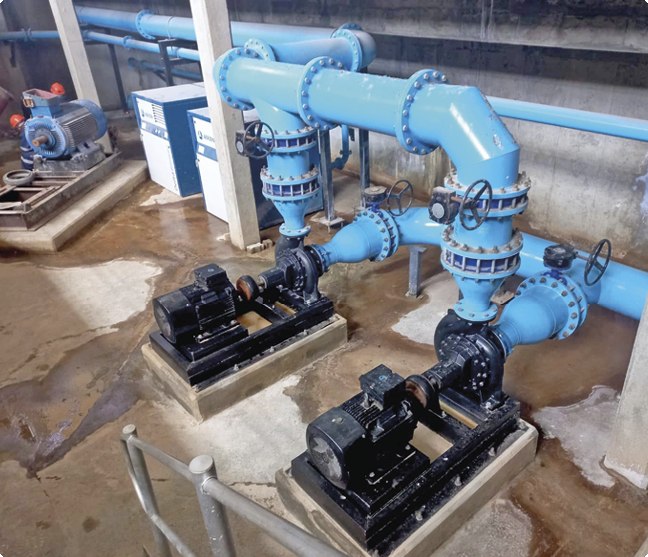
The enhancement work was included to upgrade the existing 20ml/d mmabatho wtw to a 30ml/d plant to address the water balance of local municipalities, supplying a population of nearly 300,000 people living in the outskirts of the city.
Key to the successful implementation of the project at Magalies Water was good collaboration, engagement and constructive relationships with all relevant stakeholders, including the project beneficiaries and local municipalities involved as local traditional leadership, if the project fits within its jurisdiction. Additionally, we source local labor and materials and ensure the involvement of the local business community.
Upgrading to Mmabatho Water Tratement Works is expected to be completed by August 2025.
Check out Magalies Water online at https://magalieswater.co.za/