
By John Young
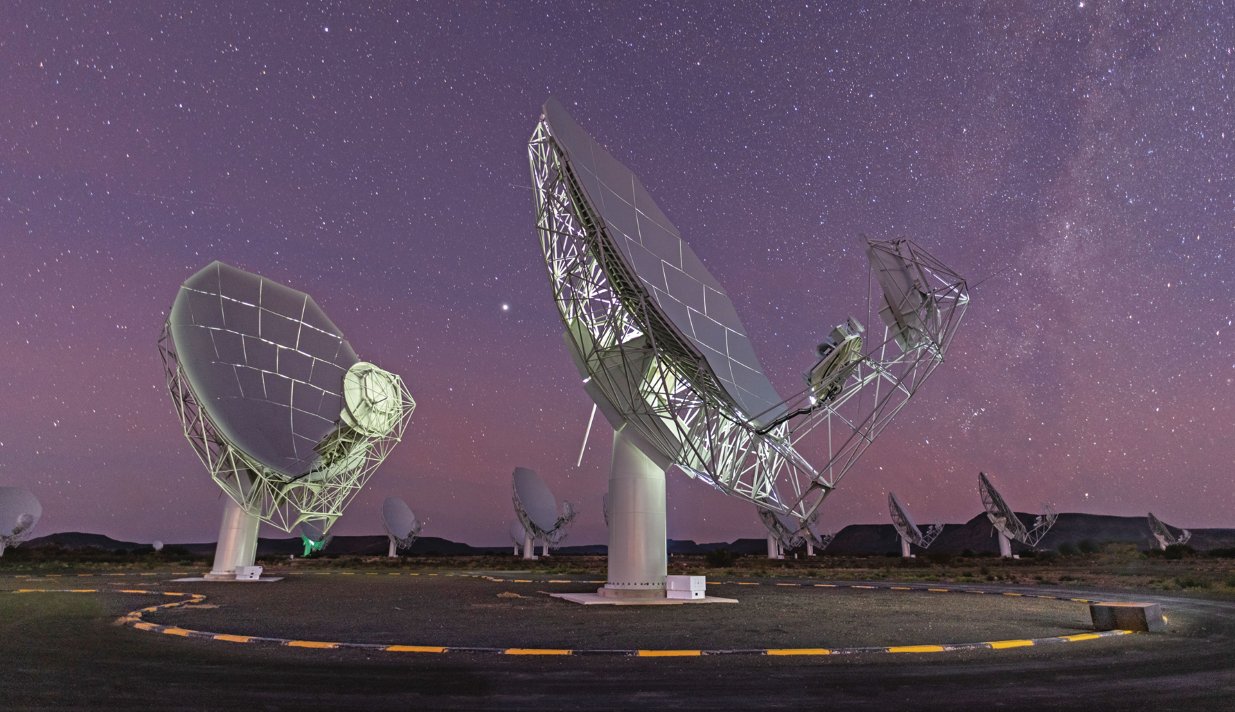
tHe is the size and range of the Square Kilometer Array (SKA) Radio Astronomy Project, most of which is located in the area around Carnarvon in the Northern Cape, and continues to be amazed.
In March 2025, the first images from the early working version of the SKA-low telescope were shared with the world. With only one 024 of the planned 131 072 antennas being deployed, the results exceeded expectations and helped to raise excitement in the scientific community in the future.
The project, set the stage for SKA, the Multi-Telescope Meerkat project, now forms part of SKA, with the dishes of the two projects being synchronized.
Meerkat includes Karoo Array Processing Building (KAPB), which currently serves the same purpose as SKA's central processing facility. The painted building is protected so that radio interference generated by electronic devices does not reveal observations and interfere. Designed by Aurecon, SKA-LOW CPF supports precision technologies such as tile processing modules. Each converts and digitizes signals from multiple antennas and provides a clock system that includes three ultra-stable clocks called hydrogen Maser.
The Northern Cape is already benefiting from SKA. sponsoring mathematics and science teachers at Carnarvon's high school, launching the national Astrotourism strategy, the demand for construction workers, and new hopes that young people in the Northern Cape, in particular, can work in an exciting science environment near their homes.
Sol Plaatje University has signed up for data processing students as a result. The central government will spend R4.5 billion over four years on SKA construction work, including the R142 million Carnarvon Visitor Centre.
investment
If the declaration of three ports on the West Coast leads to investment, a completely new sector could become the state's earner. Port Nolloth (Tier 1) and Hondeklipbaai and Kleinzee (Tier 2) are officially given status as steps to promote possibilities from the perspective of fishing, aquaculture and seafood processing.
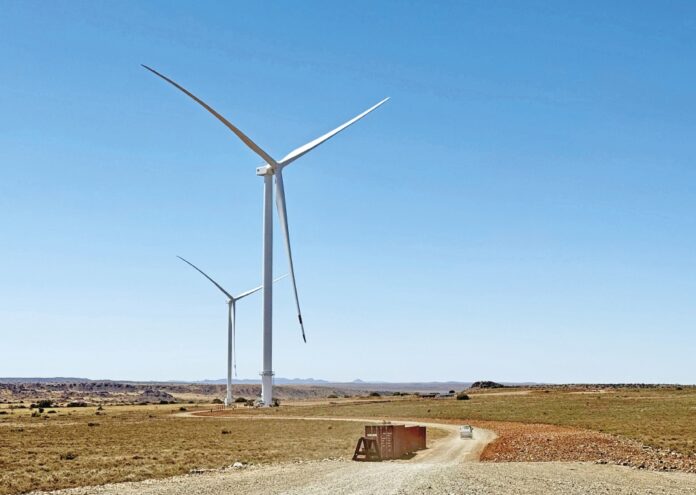
Renewable energy and mining are two sectors where the most important investment continues. These include huge wind power projects such as the Roggeveld Wind Farm (147MW) and the LoeriesFontein Wind Farm (140MW). The Castlewind Farm reported in this journal is an early example of the Wheeling Project's Northern Cape, which can benefit from the mining operations of Sivanietill Water in other states. The solar project in the same Derre region is notable for its funding structure, which includes funding from No Fund, a Norwegian investment fund for developing countries.
The state's vast iron mines continue to produce large quantities of materials, subject to the capacity of the rail network operated by Transnet to deliver what is produced to the country's ports. Mineral Council South Africa estimates the opportunity cost for the mineral sector for bad transport logistics in 2022 is about R500 billion.
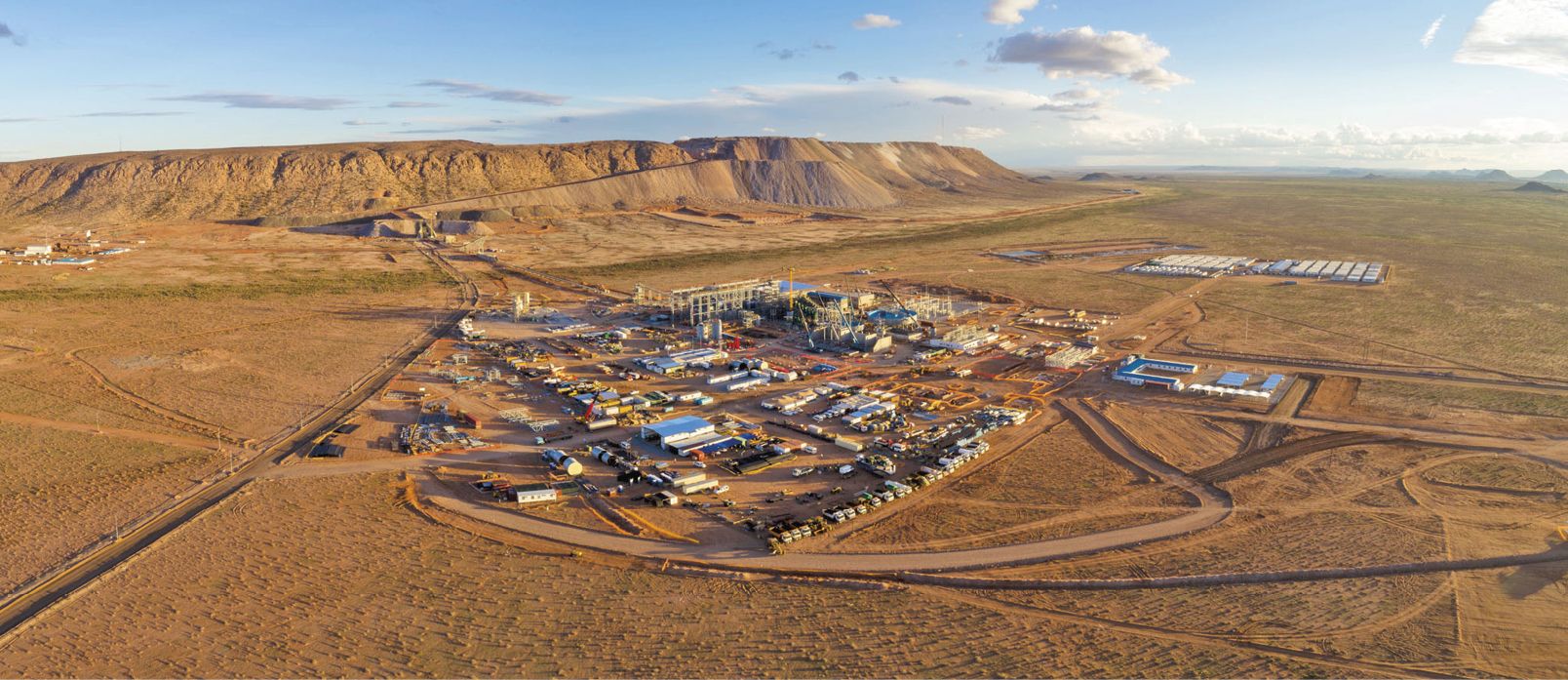
Existing mining companies such as Kumba iron ore, Asman iron ore and manganese work have joined Indian and Australian miners looking for zinc and copper. Vedanta Zinc International has invested heavily in Aggeneys (The Gamsberg Project), while Copper 360 and Orion Minerals mine between Sprisbok and Prieska. Afrimat has purchased New Northern Cape Mines as part of its enhanced policy.
Another way to measure economic situation is to look at town-level activities. The revival of De Aar's precast concrete plant is important to the region's economic outlook, as it could be retained by state builders and renewable energy contractors and manufacturers, as well as the railroad sleepers that the giant concrete is going there during the contract.
Similarly, the fact that homemade hotel group country hotels have three facilities in each of the towns of Kurman and Pofadah points to the economy where things are going. With 15 other hotels, inns and lodges in the state, the growth footprint of the hotel group focused on the corporate market is counted as a good bellweather for the business state of the Northern Cape.
During the five-year term of the sixth government of the Northern Cape provincial government, R25 billion was spent on infrastructure such as clinics, schools, libraries, roads, and homes (SOPA 2025). Another important type of infrastructure in the Northern Cape is a special economic zone as each has its own focus sector, each developed through a combination of public and private investments. At various stages of implementation and planning, various SEZs are Kathu Industrial Park, Upington Industrial Park, Namakwa Sez of Aggeneys (intended as an industrial cluster of mining and agricultural services, beneficiary and manufacturing as vedanta Zinc International), and hydrogen clusters of Boegoebaai ports and greens.
The Northern Cape is a drier state that relies heavily on agriculture and employs the Northern Cape Climate Change Adaptation Response Strategy. This allows the framework to tackle the issue of climate change. Floods, droughts and fires are becoming more frequent and more serious. The plan can at least mitigate negative outcomes to some degree.
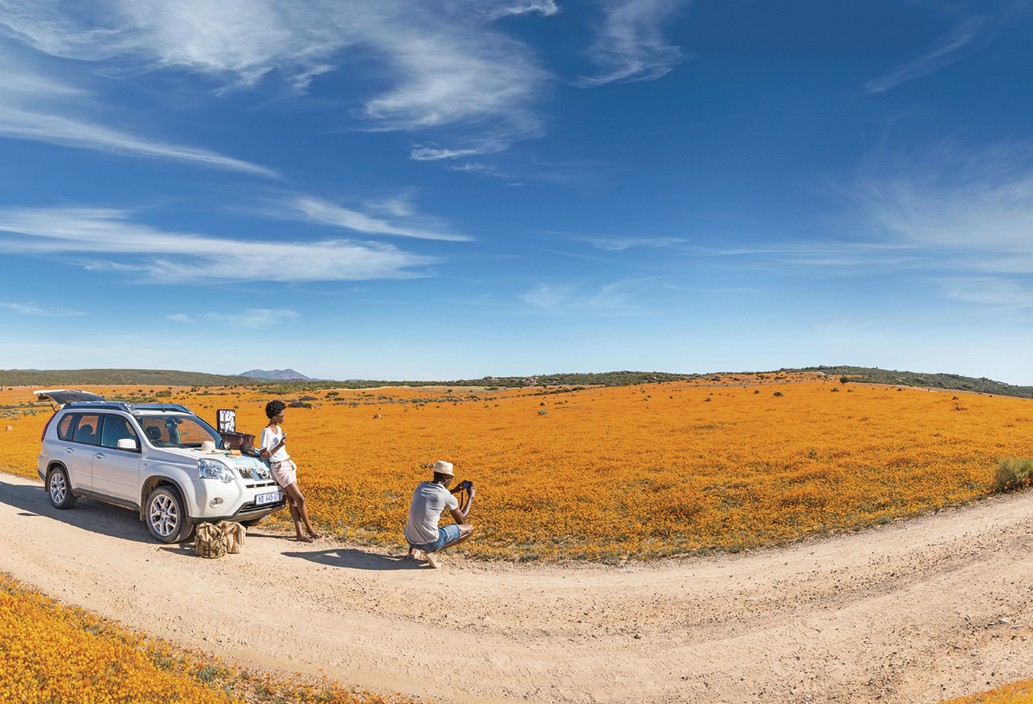
Northern Cape farmers have been learning to be resilient for many years, with certain niche products that thrive mostly in arid landscapes. One of these, Rooibos, has not only ensured internationally recognized geographic adaptation (GI), but also strengthened its international market share. Red espresso is now a “thing” in the world's trendy capital.
