
Durban – Every day, up to 80% of consumers forget to reuse their plastic shopping bags and are satisfied that they are still doing the environment a favor, thanks to a lot of the skepticism that is circulating about plastic recycling.
After all, whether the bag is made from discarded plastic cold drink bottles or fabric woven from plastic polymers, the result is the same.
Ultimately, the environment pays the price, while consumers have no choice but to choose between tabs.
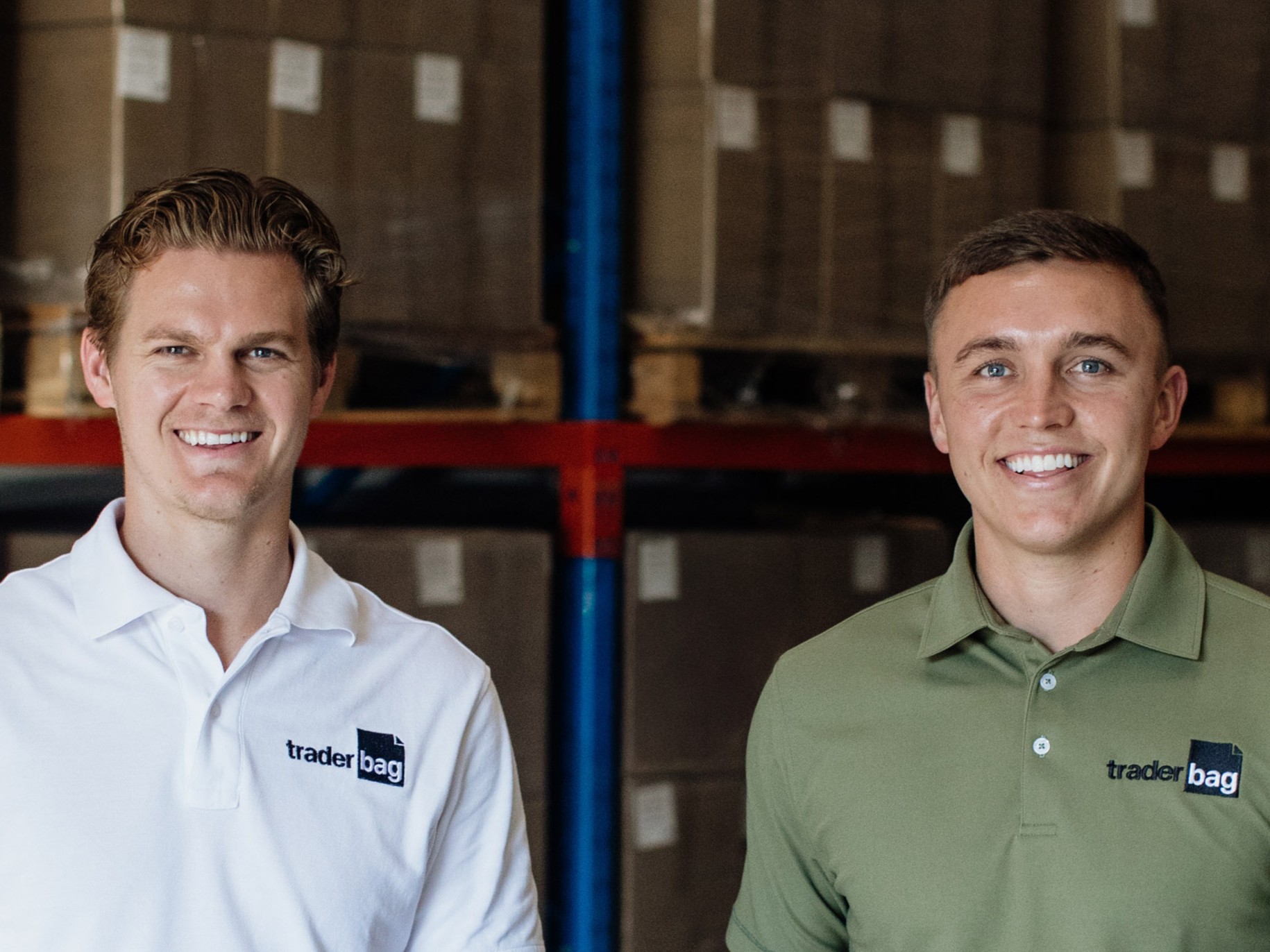
Daniel and Declan Cherry, directors of Trader Bags, which supplies customized and sustainable paper shopping bags, point out that almost all single-use plastic bags are labeled as both recycled and recyclable.
“And it says in small print that the conditions have to be right,” Daniel Cherry said.
“No one knows what those situations really are.
“In fact, we are printing excuses on the packets and exaggerating the truth.”
Directors believe recycling only slows down the damage, rather than stopping it. What makes the difference is what you do with your plastic carrier bag after you leave the checkout counter.
More than 100 countries, including 34 African countries, have completely banned the use of single-use shopping bags, although South Africa's laws remain in limbo and most shoppers in a hurry continue to demand so-called recycled plastic.
Cherries points out that while the South African government makes decisions, retailers can make a difference by giving customers choice.
The price difference between plastic and paper is small and getting closer. Simply removing all plastic from stores and forcing forgetful shoppers to pay a premium for plastic-based cloth bags is not the solution.
An experiment conducted by Traderbag in collaboration with a discount fashion retailer showed that even shoppers with low LSM would pay a little more for paper alternatives.
The experimental bags sold out within days and are now being supplied by the chain.
Opportunity to start a business
As Gen Z entrepreneurs, Daniel and Declan do business differently. According to researchers, this generation is the most environmentally conscious in terms of values, advocacy, and integration of sustainability into their consumption habits.
Traderbag not only enables both retailers and consumers to switch from plastic to paper, but also provides a solution that is fully in sync with business processes and strengthens your brand message.
Daniel Cherry founded Traderbag about two years ago.
He worked in his father's business, which supplied paper-based swing tags for clothing to over 85% of South Africa's fashion retailers.
“We saw a gradual change. Some retailers started asking about paper bags,” Daniel Cherry recalls.
“As inquiries increased, we realized this was a great opportunity and a good time to enter the market.
“Then I started researching the side effects of plastic!”
Declan Cherry has returned from Europe to help grow the company.
Plastic bags are so prevalent in South Africa that the ability to supply the quantities needed for large retail chains to quickly switch to paper did not exist at the time Trader Bags began.
Some chains allow up to 50 million shopping bags per month.
South Africa's largest supermarket chain sold at least 645 million recyclable plastic bags in 2019.
These numbers will increase significantly.
Trader Bags worked closely with two suppliers in Johannesburg and one in Durban to install machinery to produce customized paper bags for customers.
As Daniel Cherry explains, the entire supply chain is South African. All bags are sustainably sourced and locally made.
The paper is FSC approved and the ink is water-based, so all products are fully recyclable.
The trajectory of a successful paper
The Trader Bag pioneers have already signed on with the country's largest apparel retailer, which has completely replaced plastic with paper in its stores.
They are adding more and more fashion retailers to their client list and strongly believe that the apparel sector will lead the transformation.
The company is also looking at replacing the plastic packaging that protects clothing en route to stores with paper-based alternatives.
According to Plastics SA, the umbrella body representing the plastics industry, South Africa is the largest producer of plastics in sub-Saharan Africa.
The packaging sector accounts for 49.4% of total plastic consumption.
However, the process is difficult and expensive, so only 14% of single-use shopping bags are recycled.
Thin plastic bags require specialized equipment.
They often become unusable if they become tangled in sorting equipment or become contaminated with food or liquid residue.
“Paper is the most recycled material in the world,” says Declan Cherry.
“Paper bags can be recycled up to nine times, whereas plastic can only be recycled three to four times.
“In paper, the fibers eventually shorten and stop bonding.
“But it is biodegradable and can be composted, which benefits the environment.
“Plastic bags turn into microplastics that remain around for hundreds of years.
“They are eaten by marine animals and continue to pollute land and water.”
